INSERT ENGAGEMENT · STANDARD / ULTRA
Tangless installation tools
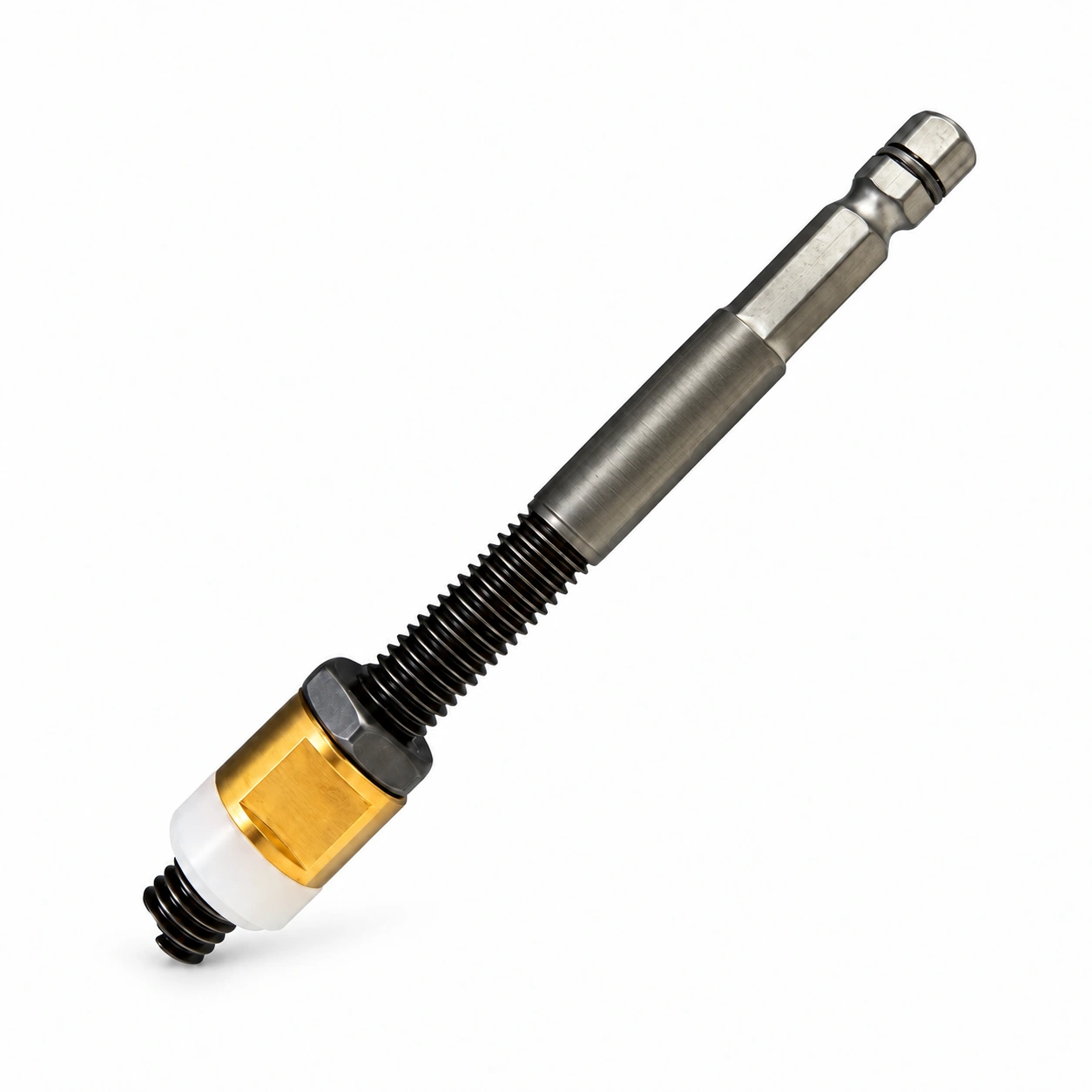
Standard and Ultra tooling for tangless drive notches, covering 1D–3D inserts with a compatible hand or electric driver.
Explore product →
TOOLING / MATCH THE PROCESS
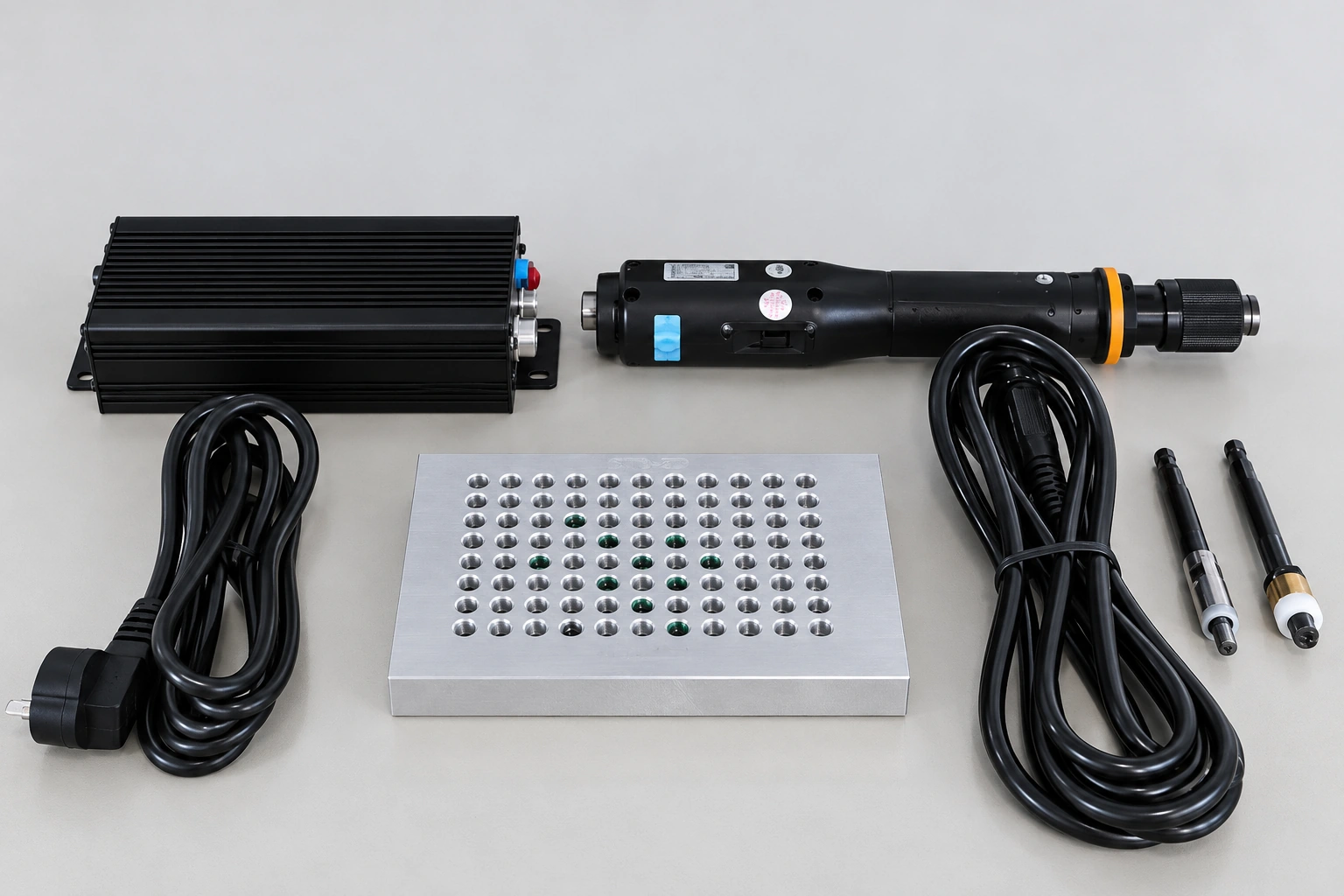
Explore tanged and tangless installation tooling, the DP1002 electric driver and C-series support arms, alongside preparation, inspection and maintenance tools.
INSTALLATION TOOLING
Match tanged and tangless installation front ends to their insert structure, then select the electric drive and arm support for the workstation.
INSERT ENGAGEMENT · STANDARD / ULTRA
Standard and Ultra tooling for tangless drive notches, covering 1D–3D inserts with a compatible hand or electric driver.
Explore product →INSERT ENGAGEMENT · TANGED
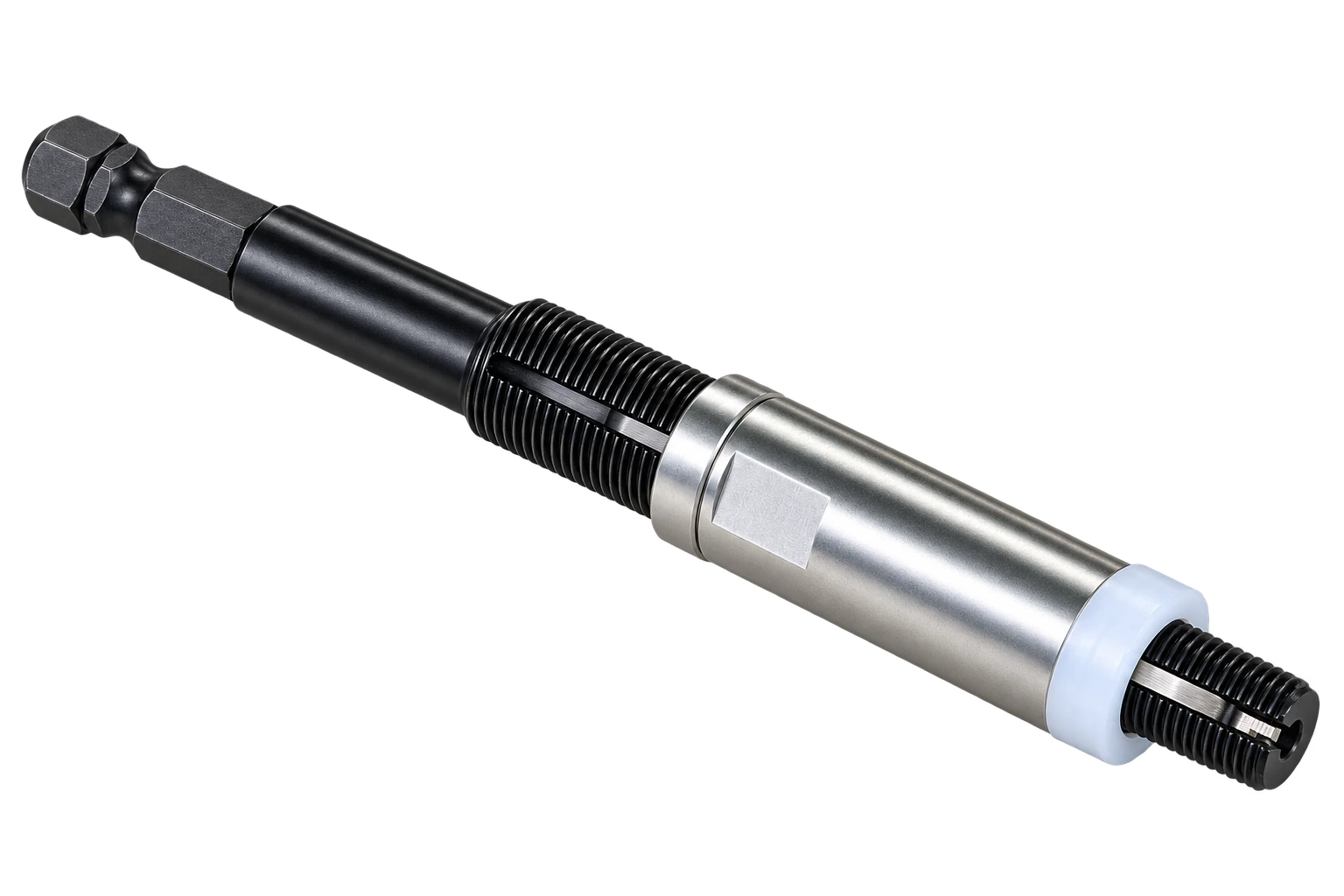
Installation tooling for tanged wire inserts. Match the front end to thread, pitch, installed length and drive interface.
Explore product →ELECTRIC DRIVE · DP1002
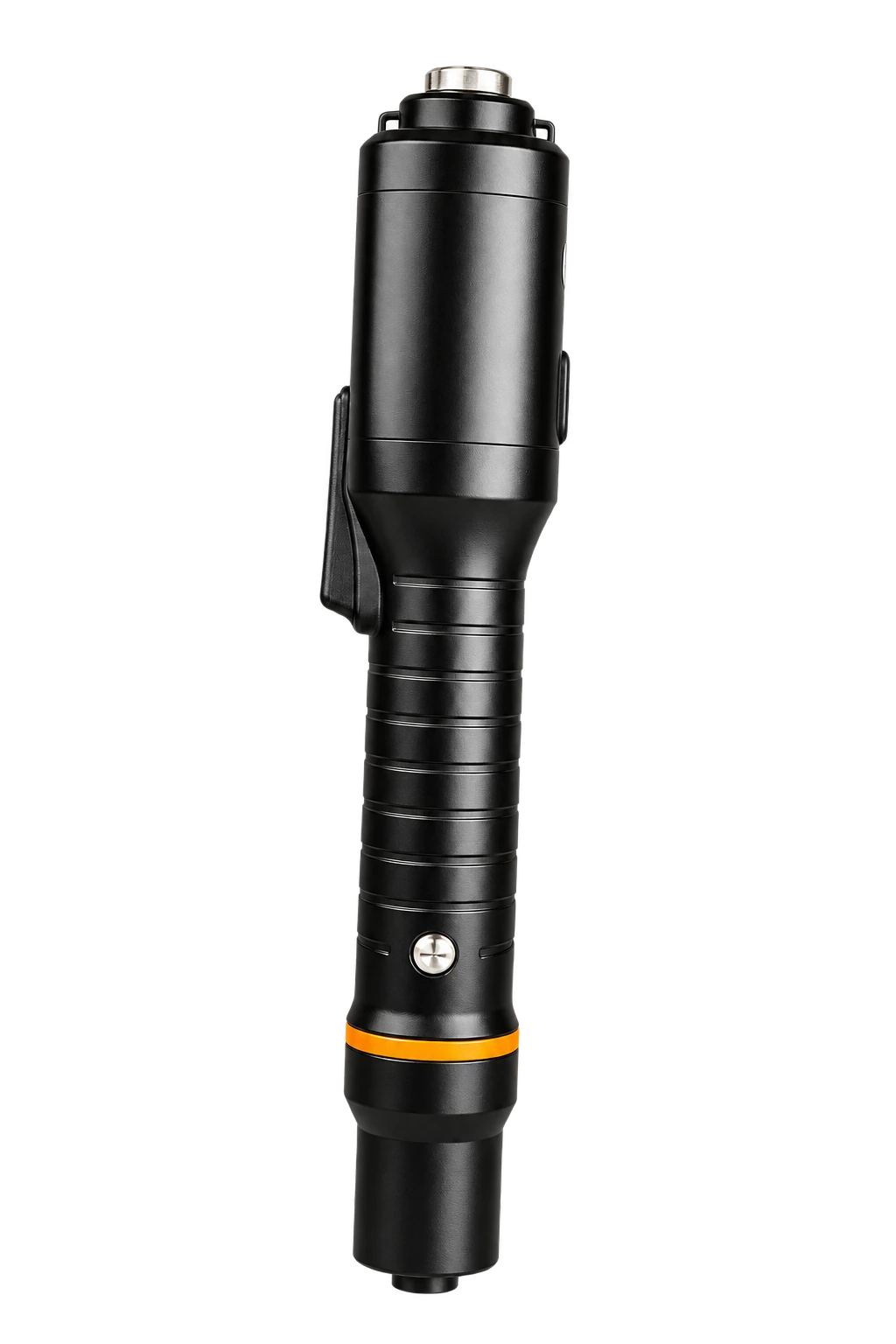
90 W electric drive with an H6.35 mm bit interface and an M3–M16 insert range. Select the front end for the insert.
Explore product →WORKSTATION SUPPORT · C102 / C103
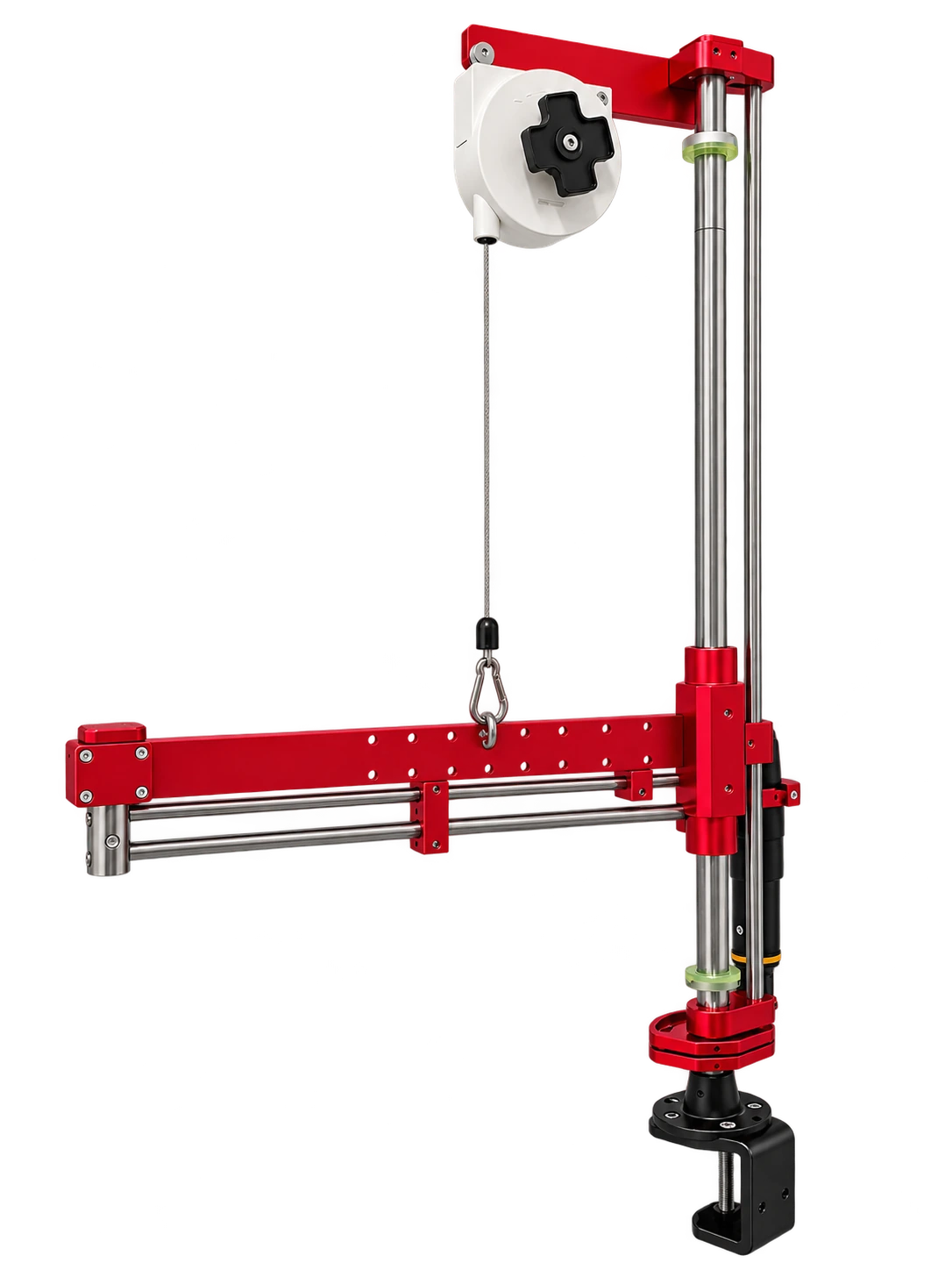
C102 and C103 reach options, selected for tool weight, workpiece height and hole layout.
Explore product →01 / TOOLING RANGE
Cut the receiving thread for wire inserts. Confirm hole type, substrate, tolerance, flute, lead and machine interface.
Discuss tooling compatibility →Thread and tolerance, substrate, through or blind hole, required thread depth and machine interface.
02 / TOOLING RANGE
Inspect the receiving thread before installation. Identify the standard, tolerance, working or reference type and calibration.
Discuss tooling compatibility →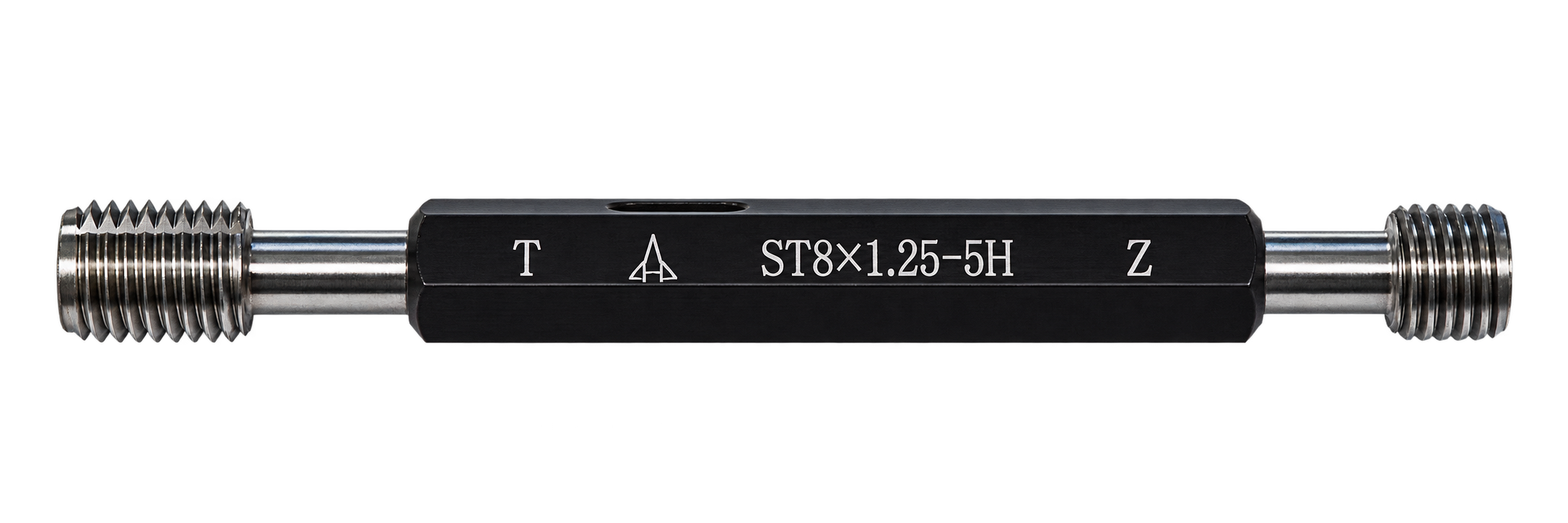
03 / TOOLING RANGE
For products requiring tang removal. Confirm stroke, access and how recovery will be verified.
Discuss tooling compatibility →Tanged insert size, length, bottom clearance and tang recovery requirements. Tangless inserts do not require a separate tang break-off operation.
04 / TOOLING RANGE
Select by insert structure, inspect the hole and finish after removal, and confirm the repair scope.
Discuss tooling compatibility →Insert structure and size, workpiece photos, available access and the parent-material area to preserve.
RELATED TECHNICAL RESOURCES
Selection & tooling
Thread, length definition, drive structure, locking function, material and hole specification define a tooling requirement. An M6 designation alone does not establish compatibility.
Read article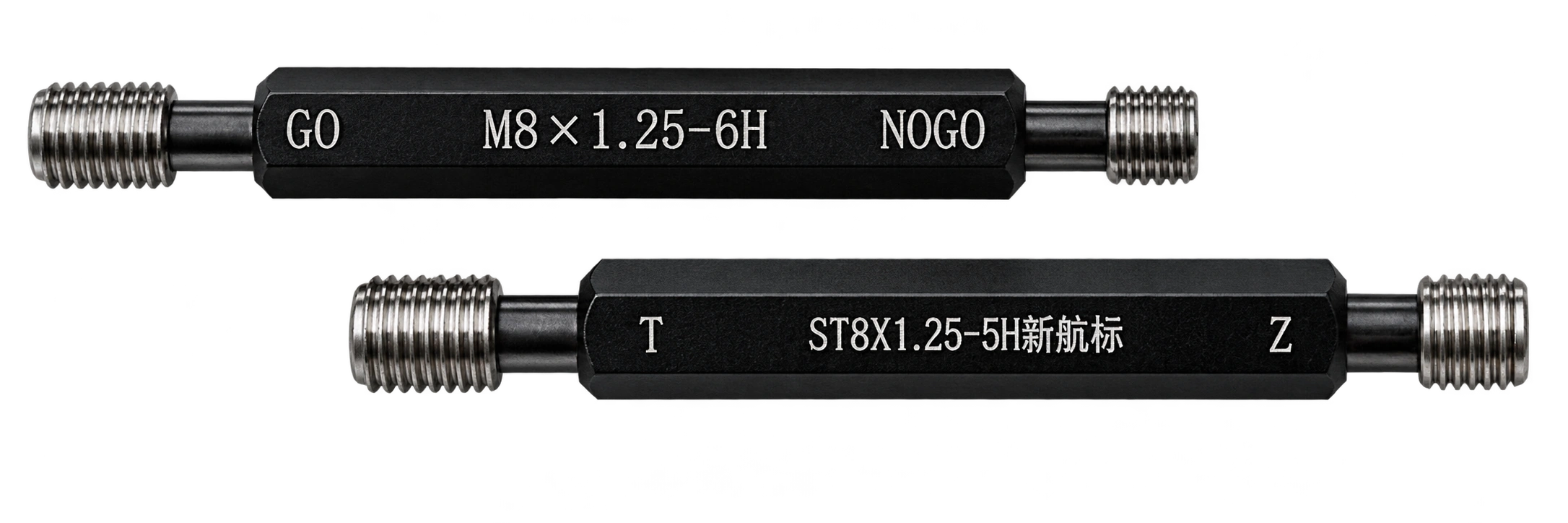
Structure & inspection
Incoming inserts, STI receiving threads, installed position and locking function are different inspection objects. Drawings and agreed requirements define methods, gauges and records.
Read articleLET’S TALK
Share a part number or drawing, quantity and target date to discuss configuration, tooling and supply requirements.